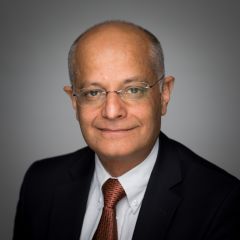
"There is considerable interest in harnessing the body's own stem cells to speed up repair. We have identified a naturally occurring signalling pathway in the body we can amplify to speed up the repair and regeneration of multiple tissues," said Jagdeep Nanchahal, MD, PhD, University of Oxford Professor of Hand, Plastic and Reconstructive Surgery. "This would be of relevance for patients who have sustained trauma, are undergoing elective surgery or chemotherapy, and potentially anticipated injuries in sports or military combat. Importantly, this approach of targeting existing resident stem cells inside our bodies would overcome the hurdles of therapies which rely on implantation of stem cells that have been grown in the lab".
The findings will be published on 8 May in the Proceedings of the National Academy of Sciences, USA, and have been released early online.
The team found that a particular form of molecule called HMGB1, that is present in the nuclei of all animal cells, can enhance tissue repair when it is released on cell injury or death, whereas another variant of HMGB1 is associated with inflammation. They discovered that administration of the form of HMGB1 found in nuclei led to accelerated healing of bone fractures, muscle damage, and the blood system following chemotherapy. Conversely, inhibition or genetic deletion of HMGB1 resulted in delayed and severely impaired healing. "Most surprisingly we then found that this acceleration of repair of multiple tissues was evident even if we treated the animals with HMGB1 two weeks before the injury, emphasising the importance of this regenerative pathway" said Ana Espirito Santo, lead author and post-doctoral researcher on the project.
The researchers discovered that the regenerative effects were due to HMGB1 acting on resident stem cells. Almost fifty years ago a group in London noted that a priming injury at a distant site at the time or before a second trauma resulted in accelerated healing of the subsequent injury, a finding later confirmed by the US Naval Medical Research Institute. In 2014 a team at Stanford University showed that the priming injury resulted in the transition of native stem cells at sites distant from the trauma to a phase of the cell cycle they termed "GAlert". Whilst dormant stem cells in G0 may take several days to enter G1 and start multiplying and differentiating to start the repair process, cells in GAlert are primed to more efficiently enter the cell cycle and effect tissue repair.
"As we had found that HMGB1 was released following injury in humans and mice, that human stem and progenitor cells pre-treated with this molecule were more responsive to growth factors, and that stem cells of mice treated with HMGB1 displayed cell cycling kinetics distinct from activated cells, we hypothesised that HMGB1 was accelerating tissue regeneration by transitioning stem cells to GAlert" said Geoffrey Lee, MD, PhD, lead author and clinician-scientist on the project. "To comprehensively test this we collaborated with scientists and clinicians from all over the world and assessed both human and animal systems to determine the potential clinical relevance of our findings."
The Oxford team showed that the HMGB1 acts in combination with another signalling molecule called CXCL12 via the CXCR4 receptor. They found that this receptor was present on the surface of multiple mouse and human stem and progenitor cells, and that HMGB1 transitioned these cells to GAlert to effect accelerated repair in multiple animal models.
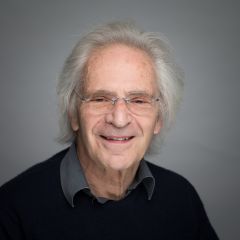
"Our Institute is known for its translational research into ameliorating human inflammatory diseases, so we are excited to see the results of these studies which have investigated the interplay between the immune system and stem cells in promoting tissue regeneration." said Sir Marc Feldmann, MD, PhD, Emeritus Professor, co-author and former Director of the Kennedy Institute.
"It is particularly exciting that administration of a single molecule on one occasion could be used for multiple organs in diverse clinical contexts. The depth and breadth of work described here requires the combined talents of scientists, clinicians and clinician-scientists, which our Institute has long-fostered," said Professor Fiona Powrie, Director of the Kennedy Institute.
Jagdeep Nanchahal is the senior author of the study and Geoffrey Lee and Ana Espirito Santo are the lead authors. Patents claiming some of the findings in the publication have been filed by the researchers.
The research was supported by the Medical Research Council, Arthritis Research UK, Kennedy Trust for Rheumatology Research and Academy of Medical Sciences.
The work was also recently highlighted as an Editor's Choice paper in the journal Science Translational Medicine.